

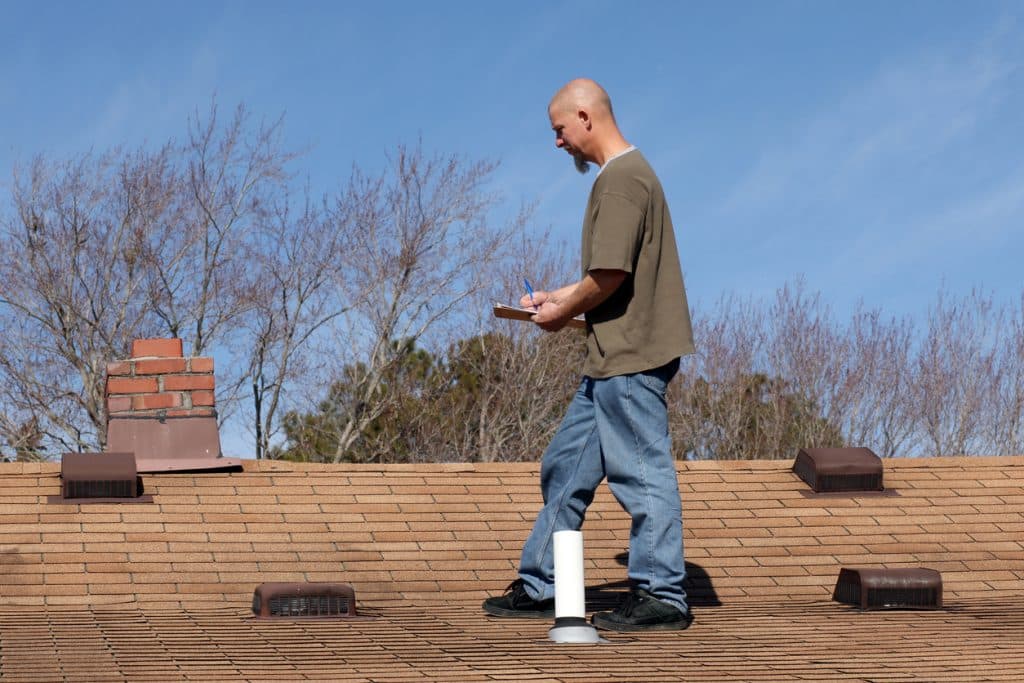
Your roof’s most vulnerable areas are around seams and penetrations. These are areas where the shingles meet vents, chimneys, skylights, and other features. Roof flashing is a thin, waterproof material that prevents water from seeping into your home in these vulnerable areas. While it is often made from durable materials like copper, aluminum, or galvanized steel, flashing can fail. Let’s look at the signs of a flashing failure and what you should do about it.
Causes of Roof Flashing Failure
Flashing must be properly installed and maintained in excellent condition to remain watertight. Poor installation techniques are a common cause of failure. In addition, the metal material can corrode, making it weaker and more susceptible to leaking. With age and exposure to extreme weather conditions, the sealant can wear down, and the metal can warp. These also can result in water leaks. It’s important to note that your flashing’s functionality can also be impaired as the house settles with natural ground movement.
Signs of a Flashing Failure
The most obvious sign of a flashing failure is a roof leak. In many cases, the damaged area is small at first, allowing minor leaks to go unnoticed until the problem worsens. After a severe storm or if the flashing issue is not repaired promptly, you might see visible flashing damage and obvious signs of a roof leak in the interior of your home. If it’s been a while since the last rainstorm, you could notice water stains, wood rot, or mold growing in the attic.
How to Prevent a Flashing Failure
It’s not possible to prevent all causes of flashing failures. For example, your house will settle as the ground shifts with time. However, a regular roof inspection will help you identify weak flashing as well as warping, damaged sealant, and other issues that can lead to more extensive problems. Your roof should be professionally inspected annually as well as after every strong storm.
What to Do If You Suspect a Flashing Failure
A suspected flashing failure requires fast action. Even a small area of damage weakens the roofing system and increases the risk of more severe problems during the next storm. This can lead to severe water damage, serious structural deterioration, pest infestations, and other issues. The first step is to schedule a roofing inspection with a roofer you can trust.
Whether you can see visible flashing issues or have noticed warning signs, acting quickly can help prevent further problems. Schedule roof repair service with River Roofing in Springfield, OR today.