

Doing a roof replacement is not some fast, simple project that you can do on your own. It requires the skills and knowledge of a licensed roofer to ensure the new materials provide long-term protection for your home. This guide walks you through why roofs need replacement and how the process works.
Why Do Roofs Need Replacement and How Often?
How often you need to replace your roof depends on the material and local weather conditions. Shingle roofs usually last about 20 to 30 years. Metal roofs have a longer life span of 40 to 70 years. The most common reasons roofs need replacement are because of wind or storm damage, prolonged exposure to moisture, or simply because the material has reached its expected life span.
Initial Inspection
All roof replacement projects begin with a thorough inspection of the shingles/metal, flashing, and roof decking. This part is crucial to the roofer being able to spot damaged components so they know which ones to replace.
Selecting Replacement Materials
Next, the roofer will ask you several questions to help determine which kind of new roof you want installed. These questions include things like what material color you prefer and whether you want impact-resistant shingles.
Obtaining Permits
Depending on where you live and the local building codes, you may need to obtain a permit to complete a roof replacement. The roofer will have thorough knowledge of the local requirements and how to obtain the appropriate permits.
Protecting Landscaping
Before any of the work begins, the roofing company will take time to protect your landscaping using tarps and plywood sheets. They may also move your outdoor furniture in case a piece of roofing material were to fall during the replacement process.
Tearing Off Old Materials
The next step entails removing all of the old roofing materials so the new ones can be put in place. This includes the old shingles, underlayment, and flashing.
Preparing the Roof for New Materials
Once all of the old roofing materials are removed, the roofer will have a clear view of the decking. If it has water damage, rot, or other forms of damage, these issues will need to be addressed before adding the new materials to prevent future roof leaks and structural problems.
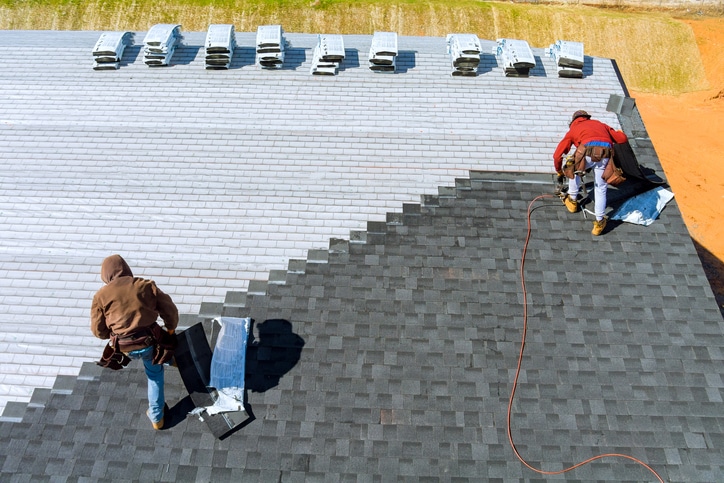
Installing the New Materials
This is the part of the project where the roofers actually install the new materials, including the flashing, drip edge, and ventilation components. The roofer uses the manufacturer’s specifications and industry-leading installation practices to ensure every component is installed correctly.
Final Inspection and Cleanup
The last step consists of doing another full inspection to make sure all materials meet the highest quality standards. It also entails cleaning up the old materials, so you don’t have to worry about hauling them away yourself.
Knowing about the different steps that a roof replacement project consists of will make the whole process much less overwhelming. When choosing a roofing company, it’s smart to select one that has extensive experience with your local climate conditions and how they impact the overall performance and life span of different roofing materials. If you live in Springfield, OR or a surrounding area and need roof replacement services, make your first call to River Roofing.
